5 months ago
18
5 months ago
18
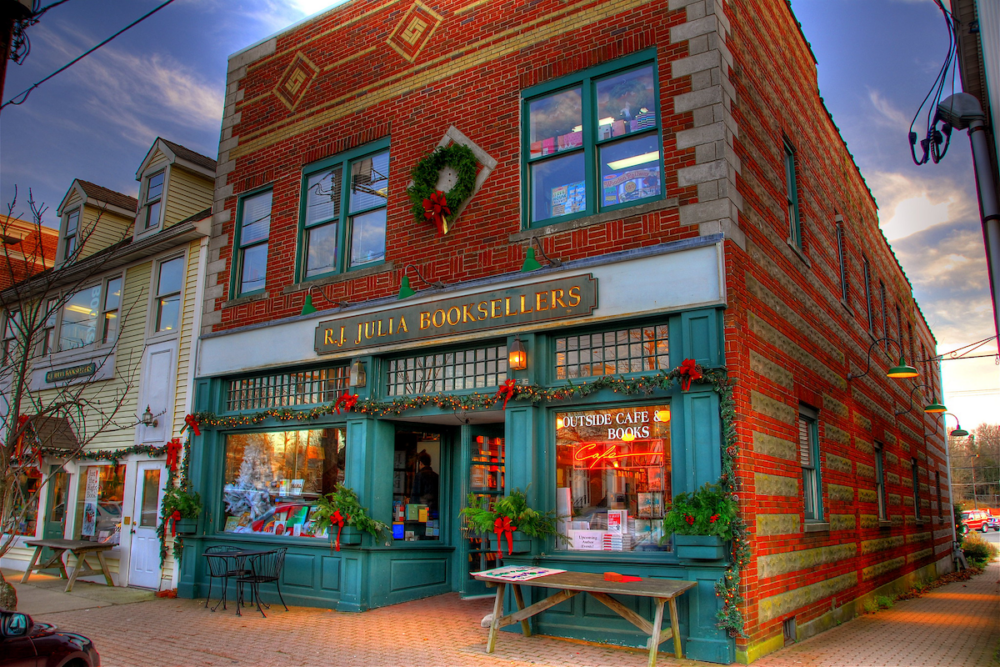
“Best little book store in the world” by slack12 is licensed under CC BY-NC-ND 2.0 


 .
.
In early March, the Book Industry Study Group hosted a discussion with Alan DuBose, senior VP of planning and data analytics at Books-A-Million, and Roxanne J. Coady, founder and owner of RJ Julia Booksellers, for a candid conversation about current market dynamics and what they mean for publishers, distributors, and supply chain partners.
Today’s store traffic and curation is often driven by a younger demographic than before
If you asked a bookstore exec ten years ago to describe their average customer, they probably would have discussed midlife women reading fiction and older men picking up history and biography. Today the bookstore demographic has shifted: far more young people are in the stores, partly driven by the BookTok phenomenon. A PBS News Hour segment in 2025 reported that Barnes & Noble store managers “see themselves as curators of individual tables and shelves, as well as the store itself, paying more attention to local consumers and to social media.”
That sentiment was echoed on this panel. Books-A-Million operates 245 stores across 37 states, and according to DuBose, they’re coming off banner years. The chain has expanded both its physical footprint and the range of titles carried in stores as the customer base has shifted to people in their teens, twenties, thirties, and forties. In particular, the romance and fantasy boom that started years ago on BookTok continues unabated. And young men are gravitating toward science fiction and fantasy and LitRPG titles; DuBose sees this partly as escapism. “We keep waiting for it to slow down. It hasn’t slowed down yet,” DuBose said. Books-A-Million embraced this trend early, adding feature space specifically to attract these customers, and the investment has paid off. Authors actively engaging with readers on social media are helping drive customers into physical stores, and the publisher partnerships around BookTok authors have created a virtuous cycle of events and sales.
DuBose referred to Japanese anime and manga “as a freight train” for sales. These series-based books, with new releases every month or two, drive the highest repeat customer rate of any category Books-A-Million tracks. Customers know when new volumes drop and arrive to purchase.
Bookstores often pick up on sales trends before publishers, which can be frustrating when it leads to stock shortages. A few years ago, RJ Julia suddenly saw dozens of customers requesting The Song of Achilles. The reason? Someone posted about it on BookTok. A book the store would normally stock one copy of needed to be in stock by the case. “How publishers and retailers can work together to be faster responders to what’s going on on social media, particularly on backlist,” is a question Coady believes the industry needs to solve. DuBose agreed, noting that two or three years ago, Books-A-Million was discovering BookTok trends before publishers were. “What we need is better communication lines,” he said.
While surprises are part of the excitement in the book business, reducing response time when backlist titles take off on social media would benefit everyone. It helps if authors alert their publishers when they see momentum building, but publishers need systems that can respond quickly.
How bookstores make stocking decisions
For RJ Julia Booksellers, which operates three stores in Connecticut and Long Island, the pandemic also brought sustained growth. But the independent bookstore model is not the same as big-box retailers like Books-A-Million. “Our opportunity is to sell 200–500 of a book before it gets to be a bestseller that the customer might get somewhere else,” Coady said. They’re not competing for the big book that’s already everywhere—they’re making books big in the first place.
Later, Coady discussed how the in-person author event at their store remains a powerful tool for discovery and promotion. “A reader meeting a writer always matters,” Coady said. Events naturally generate marketing attention for books, ensuring they get read by staff and promoted across all channels—newsletters, radio, social media. RJ Julia conducted an experiment at an industry conference, calculating the collective reach of independent booksellers through their various platforms. The conclusion? When independent stores coordinate efforts, they can make a book. Events create a viral effect. Not only do the events themselves generate sales, but the word of mouth that builds from them creates more loyal customers who will buy other titles too.
During the session, Coady made a specific request of publisher sales reps: filter your seasonal list down to your top ten books for her market. Not the top ten overall—the top ten for RJ Julia’s particular customer base. “We learned during the pandemic that we should stock what we know we can make sell,” Coady said. The store deliberately reduced the breadth of inventory and increased depth on titles the staff believed in, based on advance reading copies. This strategy requires something crucial from publishers: meaningful intelligence rather than generic marketing plans. “The reps are obviously informed by the general marketing plan of their publishers. That’s not necessarily going to help us,” Coady noted. What would help? Reps thinking specifically about what will work in each individual store, sharing insider buzz about which books are generating excitement within the publishing house, and providing real-time updates about inventory levels and emerging opportunities.
Understanding retailer metrics can help authors and publishers think strategically about placement and performance expectations. Both retailers measure sales per linear foot, inventory turn, and percentage of total sales. But they apply these metrics differently depending on the category. DuBose explained that different categories have different turn expectations. “Nonfiction will turn slower than fiction or YA or kids. It doesn’t mean it’s not performing well, it’s the expectation.” The challenge is balancing a broad assortment that customers expect with efficient inventory management.
Coady uses a two-tier system: some sections need to either make a statement or sell. Sections that matter for store identity—history, biography, poetry, classics—can have lower turn rates because they’re making a statement about who RJ Julia is as a bookseller. But for romance, science fiction, and sports? “Either it sells or it goes. We won’t accept a lower turn on those books because they’re not making the statement we think matters.” Generally, if a book hasn’t sold anything in three months, it’s likely to be returned. The store might wait six months if there’s a “drip, drip” of sales that might build over time.
For independent stores working on thin margins, discount terms affect initial buy quantities. “If there’s five points if you bring in 50 copies of a frontlist title, that would motivate us,” Coady said. When a store knows a book will work, better margin terms increase the upfront order. This matters for publishers because getting more copies into stores early can create momentum, particularly if those booksellers are reading and handselling the title. [Note: I reported on bookstore co-op in fall 2025.]
Print galleys still matter. Both retailers emphasized that galleys remain crucial for bookseller enthusiasm, which can make the difference between a book selling two copies and selling a thousand. But here’s the catch: digital galleys don’t work as well. “Sorry,” Coady said with a shrug. DuBose explained why: “We attract people who have an affinity for our product as employees. Our employees are all book lovers, so they want to touch it, feel it.” The tactile experience that draws customers to physical books also applies to the booksellers themselves.
Publicity emails to booksellers aren’t doing their job well, but there’s a way to fix that
During the pandemic, retailers started receiving more promotional emails from publicists. Coady’s assessment? Nine out of ten times, she deletes them without forwarding to her buyer because they don’t actually sell the value proposition. “One thing publishers might do is really think about what those emails say and whether they’re effectively communicating why we would want that book,” Coady said. The emails aren’t getting marketing teams excited, aren’t prompting event coordinators to take action, and aren’t moving the needle.
What would work better? Focus on what the book will do for the reader, not generic promotional language. Comparative titles can be enormously valuable if they’re good comps. Coady offered an example using The Correspondent, which started slowly when it released in April before becoming a breakout hit. Now reps will likely say their new books are like The Correspondent, but when would such a comparison actually help? Coady explained in detail, and it was something of a revelatory moment if you’re an author, agent, editor, or publicist.
It’s like The Correspondent because it’s an epistolary novel (structural similarity)? It’s like The Correspondent because it has a 70-year-old narrator (demographic similarity)? It’s like The Correspondent because it thoughtfully analyzes the arc of someone’s life, including their grief and regrets (emotional/thematic similarity)?
Only the last comparison tells a bookseller and a reader what the book will actually deliver emotionally—and she argued it’s the last one that will appeal to the reader. But crucially, she said, “Then they have to be telling the truth.”
The relationship shouldn’t end when a book is sold into the store. If it doesn’t move, it’s going to end up on the returns list. Publishers should be checking back in, even reselling books after publication, sharing data about what’s working and what’s not. Coady added why she thinks certain books end up getting returned. They are “books that either the publisher had plans that didn’t work out at all, or the book just got lost. You know, they were excited about it, the author got a big advance, and then the editor left, or the marketing person left, or the publicist is sick. … All of a sudden, the book doesn’t work. If we’re not excited about it, that book’s going back.”
Are too many books being published? The difficulty of getting attention for books in a fractured landscape, with fewer outlets for book coverage, led Coady to share a story from her early days as a bookseller. Alberto Vitale, then head of Random House, asked her to analyze a spring list and report what percentage of books hadn’t sold after three months, and what percentage hadn’t sold after six months. The answer? After six months, 50 percent of the frontlist hadn’t sold a single copy. Vitale was trying to determine whether too many books were being published. Coady believes the answer is yes. “You cannot publish as many books as are being published well,” she said. “And excite a customer about why they need to read this book, how this book could change their life, or what this book can do for them.” She argued the noise level makes it difficult for deserving books to get attention. When customers face an overwhelming number of choices without clear guidance on what matters, everyone loses.
High prices are becoming an issue
Both retailers are seeing customer hesitation around book prices, particularly for hardcover nonfiction. “Sticker shock is starting to show up on hardcover nonfiction where it’s $40,” Coady said. “The customer’s going to pause, and it seemed like it went from $30 to $40 in like five minutes.” Paperbacks at $20 create a similar effect. When customers used to buy three or four books for $75 or $100 without thinking about it, they’re now more cautious. Higher prices mean customers are less willing to experiment—they’re sticking with sure bets rather than taking chances on unknown authors. RJ Julia is predominantly a hardcover store (running about 60/40 hardcover to paperback), so pricing directly impacts their sales velocity. She believes the industry needs to consider whether current pricing strategies are sustainable, particularly for the discovery function that independent bookstores provide.
However, Coady raised an intriguing possibility: she says there’s reader appetite for shorter books on specific subjects, like Yale University Press’s series on Jewish lives. “There’s a real appetite for people who want to know more, but maybe not 800 pages more, or 400 pages more,” she said. The challenge? Publishers seem afraid to put a $15 price on a 75-page book. But Coady isn’t convinced consumers would balk, depending on the subject matter. This suggests an opportunity for publishers willing to experiment with format and pricing, particularly for subjects where readers want authoritative information in a digestible package.
What authors should take away
If you’re an author in traditional publishing:
- Monitor your own social media presence. Don’t wait for your publisher to discover that readers are talking about your book. When you see momentum building, alert your publisher immediately so they can work with retailers to ensure adequate stock.
- Your publisher’s relationship with booksellers matters. Ask your editor and publicist how they plan to work with and pitch your book to bookstores—not just to get your book on shelves, but to keep the conversation going after publication. The best outcomes happen when publishers actively support booksellers in handselling books.
- Physical galleys make a difference. If your publisher is producing them, that’s a good sign. Booksellers who read and love your book can transform its trajectory.
- Comp titles should focus on emotional experience. When you or your publisher describes your book using comparative titles, go beyond genre or structure. What will readers actually feel and experience? That’s the comp that helps booksellers sell.
- Events can work. If you have the opportunity to do bookstore events, they’re worth the effort, not necessarily for direct sales, but for the word-of-mouth momentum they create.
- Price resistance is real. Particularly for debut authors or those without established platforms, understand that higher book prices make readers more cautious about experimenting. You can’t control pricing, but you can work with your publisher on strategies to overcome price resistance through strong positioning and compelling reader benefits.
If you enjoyed this article, you might enjoy my industry newsletter, The Bottom Line.