5 months ago
19
5 months ago
19
 Photo by Hussain Badshah on Unsplash
Today’s guest post is by author Melissa Fraterrigo.
The closer I grew to the release date of my memoir, The Perils of Girlhood, the less I slept. I worried no one would read my memoir—or if they did, I worried they might hate it. But I’d also spent five years writing the book and I believed in it. To convey that belief to potential readers, I designed and hosted a free memoir-writing workshop for anyone who shared a purchase receipt for my forthcoming book and discovered that many readers were eager for an insider’s perspective on how to draft a memoir. Teaching my book offered real connections with readers, increased sales, and helped me discover a newfound admiration for my pages.
Advertise your offering
It’s one thing to write a book, but when teaching it, you must select the main themes and ideas to share with your students. For a one-time memoir-writing workshop of two hours, I discussed the writing process in general, explored time and structure, reflection, and how I used popular culture and research to add universality to the chapters of The Perils of Girlhood.
After I settled on the class logistics, I made a registration page on my website and linked it to a Google form where registrants could upload a copy of their receipt along with their contact information. I crafted a flyer with all the registration details, and then I used my socials, email list, and friends to spread the word. I reached out to writing workshops where I’d previously taught and connected with prior students. Many were interested in joining the workshop.
Break down the craft
Getting started is one of the hardest parts of any writing project, so I spoke generally about how other writers have drafted their memoirs by opening with the beginning of their story and going as far as they could, or even writing the last scene of the book and then reflecting on what it revealed about the piece as a whole.
I also shared questions that students could use to brainstorm:
- What in your life broke you or nearly broke you?
- If you could go back and take away one moment from your life, what might it be?
- What about your own life do you fear you will never understand?
This provided us a large canvas to then segue into my own process of drafting The Perils of Girlhood. I explained that I wrote the book as my daughters approached adolescence and began to struggle with self-criticisms. At times I was writing from my perspective as a child, and other times I was returning to those moments with the wisdom of my adult self, the one who was now a parent. I touched on Sue William Silverman’s voices of innocence and experience and then shared my screen where I had highlighted these voices in different colors in my essay, “More Like Dad.” This essay details my father’s volatile anger and my attempts as a child to calm his emotions. Later, as a mother, I realized I was also losing my temper around my daughters, so the essay brought together two different time periods in my life, and I pointed out to participants how I did this.
After reading these pages, I offered an exercise for them to brainstorm their own “hot topics” from a particular segment of their lives. The work from this timeline became something we used throughout the workshop to generate ideas for a potential memoir. This also led to a discussion about the difference in memoir and a memoir-in-essays, the latter of which describes The Perils of Girlhood. In a memoir-in-essays, each chapter has its own skin and can stand alone, which allows the writer to move between different moments in time rather than a strict chronological narrative that usually defines a memoir. We concluded with a discussion of the pros and cons of each format and I encouraged writers to ask me questions.
Application
I followed a similar structure throughout the workshop: I stressed a particular writing element after explaining how I used it in my own book. This offered me a chance to use The Perils of Girlhood as a sample text, then we followed with a writing exercise that built upon the initial timeline exercise. I spoke about the choices I made during the drafting process and gave participants a sense of what the book was about, and doing so infused greater confidence in my pages.
Since I was only reading sections of essays, I provided background into the piece and told writers I wanted them to pay attention to a particular element before I then read from the excerpt. For instance, when I talked about time and structure, I read from “Coach Matt,” the second essay I drafted, but the one that now appears first in the book. “Coach Matt” tells the story of the crush I had in the late 1980s on my swim coach the summer before my freshman year of high school and how he ultimately took advantage of me. I explained that I knew I wanted the book to be about more than one year of my life and that adolescence was a challenging time for me. I wanted to understand and explore that time in my life but didn’t want the book to simply be about my experience. By using particulars of pop culture such as Madonna songs or the specificity of the Umbro shorts worn by my swim coach, I invited universality and evoked an era.
After this explanation, I had participants return to their timeline and consider the period during which the events and scenes took place. After some thinking about what they noticed, I assigned homework, encouraging the participants to research events and details that took place at the same time as the segment of their timeline.
The title essay, “The Perils of Girlhood,” brings together three strands: the murder of two girls in Delphi, Indiana, the fear culture of the 1980s, and how the two influenced my mothering of twin daughters. I again read an excerpt from the essay and pointed out examples of thinking on the page and how retrospection and reflection is a key component to memoir. Then I urged participants to select a scene from their timeline and write a few paragraphs telling us this story. After a few minutes passed, I had them go back and consider this moment more deeply through introspection or even speculation, both of which offered additional reflection to their work.
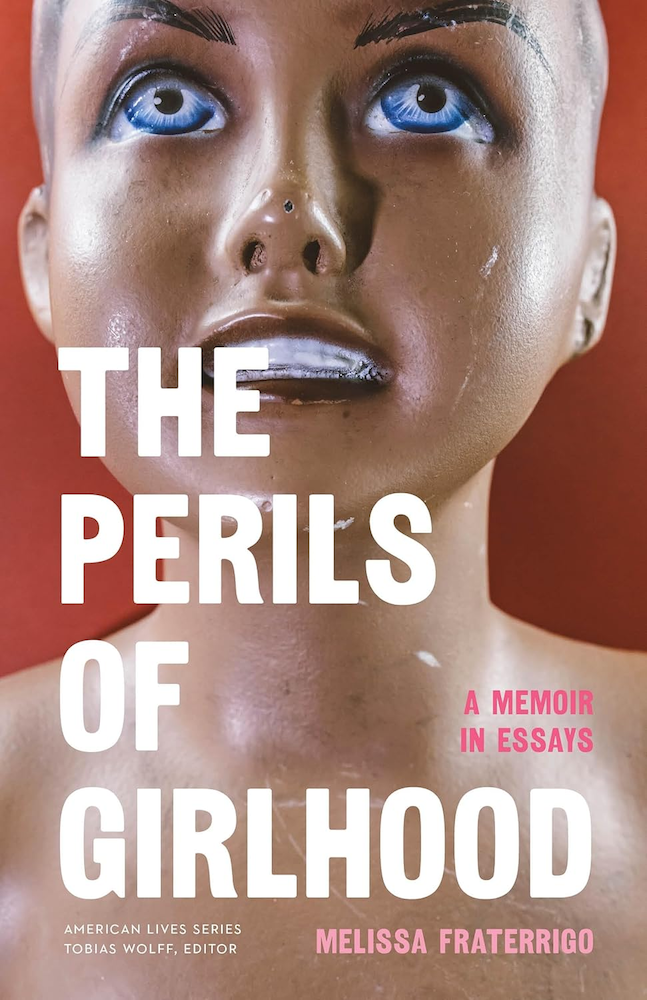
I left time at the end of class to address any questions about anything I had not covered, and we ended with some suggestions for how participants could continue drafting. I also offered to speak with book clubs about The Perils of Girlhood and shared my contact information.
Keep going!
Every writer worries that their book will not be well received, but by teaching your own work, a writer discovers not only what they do well, but how others might use such insights to unlock their own memoir drafts.