5 months ago
15
5 months ago
15
Dark romance is one of the fastest-growing fiction subgenres on the market, and one of the most misunderstood. Whether you’ve been bingeing BookTok recommendations, devouring every morally gray villain you can find, or simply feel drawn to stories that explore the shadows of love and desire, learning how to write dark romance is both a thrilling and deeply rewarding creative pursuit.
But it’s not as simple as cranking up the tension and adding some morally questionable characters. Dark romance has its own rules, its own reader expectations, and its own unique craft demands. Get it right, and you’ll have readers obsessively one-clicking your backlist at 2 a.m. Get it wrong, and you’ll lose them in the first chapter.
This guide covers everything you need to know about how to write dark romance, from defining the genre and understanding your readers, to the six core writing techniques that separate forgettable dark romance from unforgettable ones.
TL;DR: Dark romance blends intense romantic storylines with dark, taboo, or morally complex themes including obsession, danger, psychological turmoil, and explicit content. To write it well, you need complex characters, relentless tension, purposeful plotting, and a willingness to go to uncomfortable places your readers are actively looking for.
Always include trigger warnings, consider a pen name, and lean into self-publishing for maximum creative freedom.
What is dark romance?
Dark romance is a fiction book genre that combines the emotional intensity of romance with dark, taboo, or morally complex themes including obsession, psychological turmoil, danger, and often explicit content, while still centering the relationship between characters.
Unlike mainstream romance, dark romance doesn’t shy away from morally ambiguous characters, power imbalances, or storylines that would be disturbing in a real-world context. It can include fantasy, sci-fi, paranormal, and contemporary settings. The defining characteristic isn’t the setting or even the heat level, it’s the darkness woven into the emotional and relational core of the story.
Dark romance books often explore:
- Forbidden or obsessive love
- Kidnapping, captivity, or forced proximity (in a fictional context)
- BDSM and power dynamics
- Anti-hero or villain love interests
- Psychological manipulation and trauma
- Morally gray characters who do not “get better” in conventional ways
A common question newcomers ask: Is dark romance just glorifying abuse? Not exactly. The genre operates within a fictional framework that readers consciously choose. Just as horror readers know the monster isn’t real, dark romance readers understand these scenarios are fantasy. It’s a safe space to explore the darker edges of desire without judgment or consequence.
Nothing is off the table in this genre. But that doesn’t mean craft goes out the window when learning how to write dark romance.
What is the difference between spicy romance vs dark romance?
Spicy romance focuses on sexually explicit content and passionate relationships, while dark romance adds a layer of moral complexity, danger, or psychological darkness that shapes the entire plot.
Think of it this way: all dark romance tends to be spicy, but not all spicy romance is dark. A spicy beach read might have steamy scenes, a fun enemies-to-lovers arc, and a light, breezy tone. A dark romance novel, by contrast, might open with a kidnapping, feature a love interest who is objectively terrifying, and force the reader to question everything they thought they wanted in a relationship.
In dark romance, the darkness isn’t a backdrop, it’s the story.
Key differences at a glance:
| Tone | Light to moderate | Dark, brooding, intense |
| Conflict | Internal/external obstacles to love | Danger, obsession, moral ambiguity |
| Characters | Flawed but sympathetic | Morally gray, anti-hero, villain love interests |
| Themes | Love, passion, desire | Power dynamics, trauma, psychological complexity |
| Reader expectations | HEA (happily ever after) | HEA or HFN, but earned through darkness |
Why do readers find dark romance novels so intoxicating?
Though not for everyone, a casual scroll through Booktok or different book blogs will reveal that spicy romance or dark romance books have a large and very passionate following.
Readers are drawn to dark romance for its emotional intensity, taboo themes, dangerous romance tropes, complex characters, escapism, sensuality, exploration of power dynamics, unique stories, and cathartic experience.
WARNING/NOTE: It’s important to note that just because someone reads dark romance novels that they have certain trauma or want to be treated a particular way. Instead, these novels provide an eyebrow-raising and emotionally charged reading experience for those who enjoy exploring the darker aspects of human nature and relationships in a safe and fictional context. It gives its readers permission to explore really dark romance without the guilt or shame often present in other places within our society.
Knowing why readers love a genre will always help you write a better fiction novel. Don’t ignore the elements they love most (more on that now).
Tips to learn how to write dark romance books that lure in more readers
Dark romance is a popular and rapidly growing book genre, especially on platforms like TikTok where readers like to share their collections and reaction videos to some of the more shocking moments in the books their reading.
Readers of dark romance rarely take a “break” from this genre and are avid readers via kindle unlimited specifically (to obscure the book cover).
Learning how to write dark romance fiction is different from learning how to write a romance novel in general.
Here are some tips that will take you to the darker side of this genre – and may even land you at the top of romance book lists.
1. Embrace the taboo (with trigger warnings)
Controversial elements and themes, like forbidden love, obsession, betrayal, and manipulation, are common in dark romance books. Readers expect them and often seek certain character dynamics, so if you want to write a romance novel that goes right past sweet and loving into the downright taboo, do! Embrace the darkness.
But handling these themes with sensitivity and respect is essential – and a fine line to walk in this specific genre. You can hire a sensitivity reader who specifically reads this type of romance or make sure your professional book editor knows about and considers these in their edits.
Including trigger warnings in your dark romance book
Dark romance books can be highly triggering and even traumatic. Not everyone may know what your book is about by the cover. So authors of dark romance should consider including warnings for sensitive topics and themes that may disturb or trigger readers.
We suggest trigger warnings for the following:
- Graphic violence or gore
- Sexual assault or abuse
- Self-harm or suicide
- Substance abuse or addiction
- Mental illness or psychological trauma
- Dubious consent or non-consensual situations
- Depictions of unhealthy relationships or emotional manipulation
- Explicit sexual content
- Death or mortality themes
- Themes related to abuse of power or control
We always advise our dark romance authors to include warnings in the description of their books (in addition to in the book itself) when self-publishing on Amazon for two very important reasons:
- It’s more visible to potentially triggered readers, so you’re not making them take another step to open the book (via the “look inside” feature) that could contain triggers for them.
- It helps people who are specifically looking for that type of content. There are always people actively searching for something they find desirable in their dark romance reads. In this example, your trigger warning may actually serve as helpful keywords.
In both scenarios, including trigger warnings allows readers to make informed decisions about whether the content is suitable for them and helps prioritize their emotional well-being.
Example of a dark romance book with plenty of taboos:
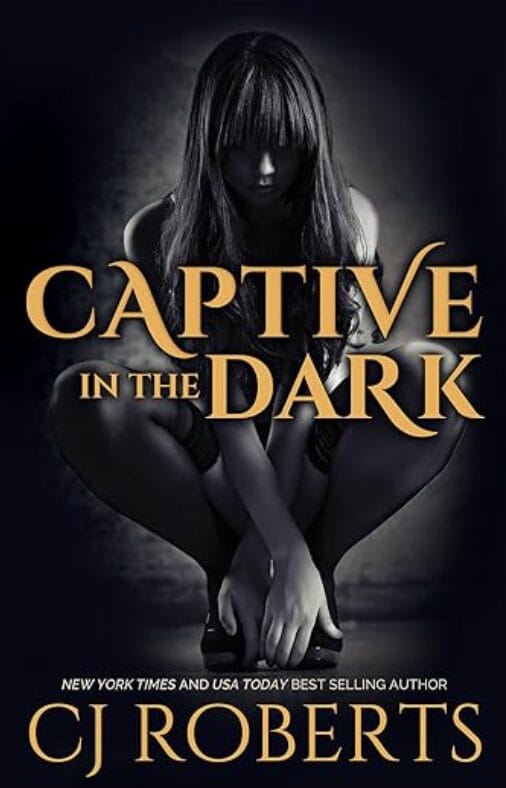
Captive in the Dark by C.J. Roberts includes kidnapping, human trafficking, and other disturbing themes that leave readers with very mixed reviews. Despite that, it still became a best-seller, proving plenty of readers are looking for this.
2. Create complex, wounded characters
Dark romance thrives on complex, deeply flawed, multi-dimensional, and polarizing characters. You need complicated character motivations, inner demons, and personal struggles (that they often lose). They should be hard to like and easy to hate. It’s what makes for the dark content in the first place.
If you want to know how to write dark romance books, you need to focus extra time on the character arc. We recommend using a character bio template to get this right. But keep in mind that you don’t want your character to necessarily “outgrow” the taboo or dark elements, as if they’re wrong. They can outrun their demons, but those demons don’t have to be the fact that they’re into BDSM (this audience in particular will not take kindly to the idea that BDSM is something to outgrow).
The point of dark romance books is that these elements are the norm for these people.
Example of a dark romance book with complex characters:

In the famous Fifty Shades of Grey series by E.L. James, Christian Grey is a wealthy and successful businessman with a dark past and a penchant for BDSM. He is deeply flawed and haunted by his traumatic childhood, which makes him complex and intriguing as a romantic lead in this dark romance.
3. Master the art of creating (sexual) tension
You’ll also want to get really good at creating tension and conflict in your writing. Proper pacing helps with this a lot, but the tension also has to come from plot devices.
This genre especially uses the story’s conflict to create a sense of urgency and passion. You can do this for your book by including external obstacles like societal norms, family opposition, or internal struggles like emotional trauma, self-doubt, and conflicting desires.
The push-and-pull dynamic between the protagonists heightens the emotional stakes and adds depth to the romance.
Tension in dark romance operates on multiple levels simultaneously:
Sexual tension – the magnetic pull between characters that’s constantly interrupted, denied, or complicated by the story’s darkness. The push-pull dynamic is everything. Use proximity, forbidden situations, and the characters’ own resistance to desire to keep readers on the edge of their seats.
Psychological tension – the reader knowing something the character doesn’t, or understanding the danger of a situation even as the character is drawn deeper into it. This is especially powerful in stalker or captivity storylines.
Moral tension – the reader’s own conflicted feelings about the characters and their relationship. If your readers feel guilty for rooting for someone, you’re doing it right.
Plot tension – external forces (danger, secrets, rival parties, time pressure) that threaten the relationship at every turn.
Pacing is critical. Dark romance should rarely give its readers a chance to fully exhale. When you do offer a moment of relief or intimacy, it should feel earned, and then immediately complicated by what comes next.
Example of a dark romance novel filled with tension:
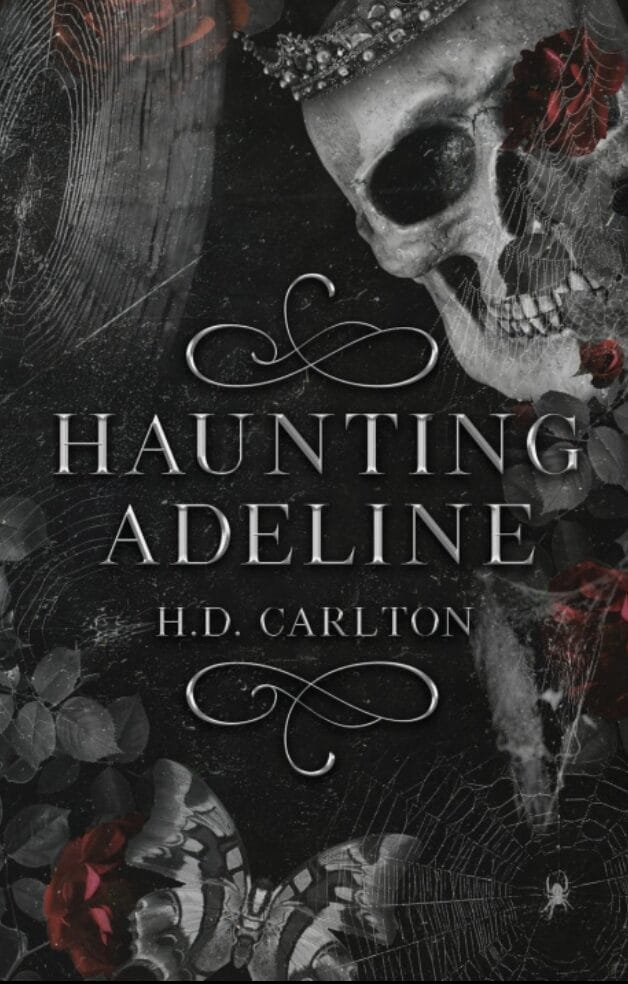
Haunting Adeline by H.D. Carlton took BookTok by storm and is a great example of a book with plenty of tension and a cat-and-mouse that covers very, very dark topics. Not all dark romance books are horror books, but this one certainly is.
Note: This book was previously banned on Amazon due to the dark nature of its content. Please read the trigger warnings and some reviews before reading or purchasing.
4. Invest time and thought in the setting
The setting of a story always plays a significant role in creating the mood and tone – often doubly so when learning how to write dark romance books. The scenario or setting can often be what’s taboo. Or you choose a setting that enhances the dark and brooding atmosphere of the story, like a fantasy underworld, decaying mansion, a haunted castle, or a forbidden island, evoking a sense of foreboding and mystery.
On the flip side, if you really want a challenge or to swing the other way, choose a setting like a beach or a ski retreat to set the story. You’ll have to work extra hard to set the tone, but the jarring nature of the story with a bright, happy setting can make your book more interesting.
Your setting choices should reinforce the themes of your story:
- Power and control – luxurious penthouses, private estates, gated compounds
- Danger and isolation – remote locations, underground spaces, foreign countries
- Gothic atmosphere – crumbling mansions, dark forests, haunted locales
- Contrast and irony – bright, beautiful settings that create jarring dissonance with the darkness of the story
That last option (the contrast setting) is a more advanced technique but can be incredibly effective when learning how to write dark romance.
A kidnapping that takes place on a tropical island, a controlling relationship set in a sun-drenched beach town, a violent criminal underworld set against the glittering backdrop of a luxury resort. The gap between the beautiful setting and the dark events creates unease that lingers long after readers put the book down.
Example of a dark romance novel with a surprising setting:
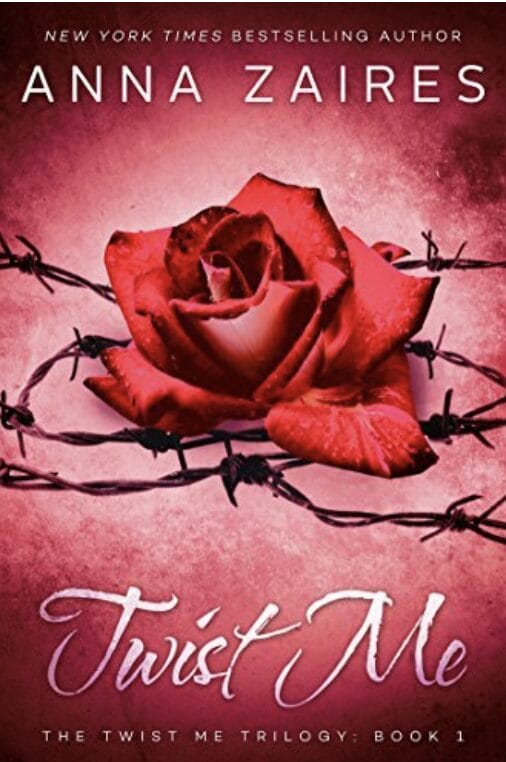
Twist Me, by Anna Zaires, is a recent New York Times Bestseller that employs the latter strategy we discuss here. The protagonist is kidnapped and taken to a private tropical island. But the story is fair from a light vacation read.
5. Go into the deepest depths of human emotions
Dark romance is not just about what happens. It’s about how it feels for your characters, and vicariously, for your readers.
The emotional depth that readers come to dark romance for isn’t just about love or desire. It’s about the full, messy, contradictory spectrum of human emotion: shame, longing, fear, rage, grief, obsession, and the disturbing realization that you want something you know you shouldn’t.
To write this well, you need to:
- Get into your characters’ heads – not just what they feel, but why, and how that feeling conflicts with everything else they believe about themselves
- Use visceral, physical language – emotion lives in the body; describe the physical sensation of fear, desire, shame, and longing
- Let characters feel contradictory things simultaneously – readers trust emotional complexity far more than emotional simplicity
- Don’t soften the dark emotions – if your character feels shame about what they want, let them feel it fully, not as a speed bump on the way to acceptance
The deeper you go emotionally, the more invested your readers will be, even when (especially when) those emotions are uncomfortable.
Example of a dark romance novel that takes you on an emotional rollercoaster:
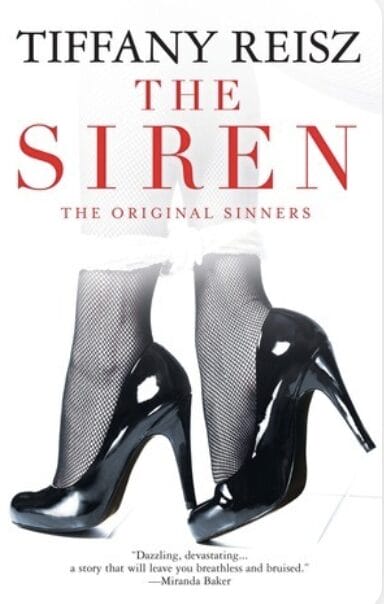
The Siren by Tiffany Reisz is described by readers and book bloggers as being “complicated.” It balances dark themes, erotic scenes, morally ambiguous actions, and even humor. And, yes, it will bring up a lot of confusing emotions for most of its readers.
6. Make the Plot Purposeful
The real answer to, “what is dark romance?” means understanding and acknowledging the morally questionable subject matter while still recognizing that there is a plot. Sure, there are many books that are more smut than plot. And while some readers certainly enjoy this, others truly want a good story to go along with their dark romance read.
It’s not just about the romance. And that’s what you should remember if you want to learn how to write a dark romance novel. To maintain the tone and genre style, focus on plots that explore themes that either go with or completely contradict the romantic content you write about.
When building your plot, ask yourself:
- What does each character want vs. what do they need?
- How does the dark element (obsession, captivity, danger) function as both conflict and catalyst?
- What would the romance look like without the darkness, and does the darkness fundamentally change it?
- Is there a theme or question your story is exploring, even implicitly?
Strong dark romance plots often explore themes of control and surrender, identity and destruction, obsession and devotion, or the line between protection and possession. These themes give your darkness meaning beyond shock value.
Example of a dark romance book with a strong plot:
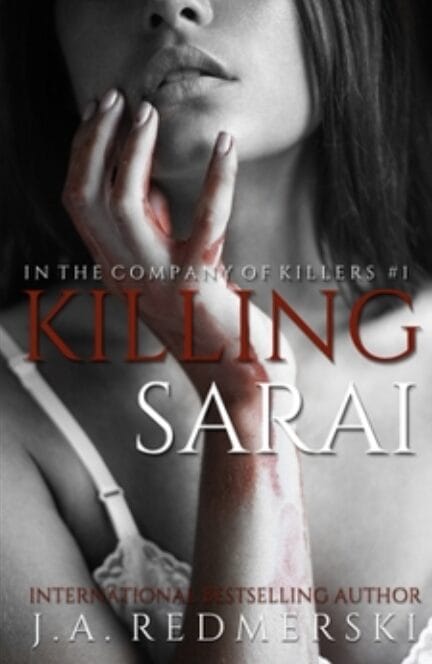
You can tell that Killing Sarai by J.A. Redmerski isn’t lighthearted just by the book title. The main character’s motivation – and the theme that moves this book along – is revenge. It’s also a great example of how to write a dark romance book that serves more than smut.
Should you use a pen name for dark romance?
Many dark romance authors choose to write under a pen name, and for good reason. The genre’s content can attract controversy, and separating your dark romance pen name from other professional or personal identities gives you creative freedom without real-world consequences.
A pen name also lets you build a brand identity specifically tailored to dark romance readers, which can be a powerful marketing asset over time.
Why self-publishing is ideal for dark romance writers
Traditional publishers frequently pass on dark romance manuscripts, not because of quality, but because of content. Many of the genre’s most successful books, including titles that became massive BookTok hits, found their audiences through self-publishing.
Self-publishing dark romance gives you:
- Complete creative control – no content restrictions or publisher edits that soften your darkness
- 100% of royalties – dark romance readers are voracious; this adds up quickly
- Access to Kindle Unlimited – dark romance readers over-index on KU, often specifically to keep their reading habits private
- Speed to market – capitalize on trends and reader demand without a two-year publishing pipeline
If you plan to write a series (and dark romance readers love series), self-publishing is especially advantageous. You control your release schedule, your covers, and your marketing.
The editing and review process for dark romance
Because of the sensitive nature of dark romance content, your editing process deserves extra attention.
Beta readers are especially valuable in this genre. Look for beta readers who are experienced dark romance readers. They’ll give you genre-specific feedback on whether your dark elements land, whether your tension holds, and whether your characters feel authentic. They’ll also flag content that might need additional trigger warnings.
Sensitivity readers who specialize in dark romance can help you navigate the fine line between intentional darkness and content that reads as exploitative or careless.
Professional editing from an editor familiar with the genre is worth the investment. Dark romance has its own pacing conventions, reader expectations, and craft standards that a generalist editor may not fully understand.
Final notes on how to write dark romance fiction
Writing dark romance is not for the faint of heart, and that’s exactly what makes it so compelling. This genre asks you to go to uncomfortable places, create characters who defy easy judgment, and trust your readers to follow you into the dark.
The writers who do it best are the ones who approach that darkness with both courage and craft: willing to push limits, but never careless about the power of the content they’re creating.
If you’re ready to write your dark romance novel and want guidance on getting it published, our Fundamentals of Fiction program is designed to take first-time fiction authors from idea to published book, no matter what genre you’re writing in.
If you want to learn more about your options as a dark romance writer, watch our free webinar. Becoming a published, bestselling author doesn’t just have to be a dream – we help people make it a reality every day!
Frequently asked questions about writing dark romance
What makes a romance “dark”? A romance is dark when the story incorporates morally complex, taboo, or psychologically intense themes (such as obsession, danger, captivity, or explicit power dynamics) that go beyond typical romantic conflict. The darkness shapes the entire narrative, not just individual scenes.
Does dark romance always have a happy ending? Not always. Dark romance typically delivers a happily ever after (HEA) or happy for now (HFN) ending, but it’s earned through significantly darker circumstances than mainstream romance. Some dark romance subgenres allow for more ambiguous or bittersweet endings.
What are the most common dark romance tropes? The most popular dark romance tropes include: stalker/obsessive love interest, captivity and forced proximity, enemies to lovers with a villain love interest, dubious consent, morally gray anti-heroes, forbidden relationships, and dark mafia or criminal underworld settings.
Do I need trigger warnings in my dark romance book? Yes, always. Trigger warnings protect readers who may be genuinely harmed by certain content, and they also serve as helpful signals for readers actively seeking those elements. Include them in your book description and at the front of the book itself.
Can dark romance be written in first person? Yes, and it’s one of the most common POV choices in the genre. First-person narration, especially dual POV (alternating between the protagonist and the dark love interest), creates intense intimacy and is particularly effective for psychological tension and unreliable narrator dynamics.
The post How to Write Dark Romance: A Complete Guide to the Genre appeared first on selfpublishing.com : The #1 Resource For Self-Publishing a Book.