4 months ago
13
4 months ago
13
If you’re sitting down to tell the story of your life, the first question you need to answer is also the simplest: what is an autobiography, exactly?
It sounds obvious, but most people who set out to write one actually mean to write something else (a memoir, a biography, or a piece of creative nonfiction) and don’t realize it until they’re 30,000 words deep and stuck.
Getting the genre right from day one saves you months of rewriting later. So before you pick a title, build an outline, or draft chapter one, it’s worth getting crystal clear on what an autobiography is, what it isn’t, and whether it’s actually the right format for the story you want to tell.
Need A Nonfiction Book Outline?
Get customizable templates for easy book writing and structuring.
TL;DR
An autobiography is a self-written account of the author’s own life, typically covering their full story from birth to the present in chronological order. Unlike a memoir, which focuses on a single theme or period, an autobiography aims to capture a complete life. It’s written in first person, includes key events and reflections, and is most often written by public figures, leaders, or anyone whose full life story carries lasting significance.
What is an autobiography?: Autobiography meaning defined
What is an autobiography? It’s a firsthand recounting of an author’s own life. So, if you were to write an autobiography, you would be writing a true retelling of your own life events.
That’s the short definition. But what an autobiography is in practice is more flexible than many people realize.
An autobiography isn’t bound to a single format. It can take the shape of:
- Creative nonfiction that blends literary techniques with true life events
- A traditional, narrative-driven book
- Published journals, letters, or diaries
- A collection of personal essays
- Graphic autobiographies told through comics
An autobiography is what many celebrities, government officials, and important social figures sit down to write at the end of their lives or distinguished careers.
Of course, the work doesn’t have to cover your whole life. You can absolutely write an autobiography in your 20s or 30s if you’ve lived through events worth sharing!
If an autobiography doesn’t cover the entire lifespan of the author, it can start to get confused with another genre of writing. So what’s an autobiography most similar to? And how can you tell it apart from other genres of writing? Let’s dive into the details.
Autobiography vs. memoir vs. biography: what’s the difference?
An autobiography covers a full life written by the subject, a memoir covers a single theme or period written by the subject, and a biography covers someone else’s life written by a third party. The author, scope, and purpose are what separate them.
Here’s the clean breakdown:
| Autobiography | The subject | Entire life, chronological | Preserve a complete life story |
| Memoir | The subject | One theme or time period | Communicate a lesson or message |
| Biography | A third party | Subject’s entire life | Document another person’s life |
| Autobiographical fiction | The subject | Life events, embellished | Tell a story inspired by real life |
Autobiography vs. memoir
The closest genre to autobiography is memoir. The difference comes down to scope and intent. A memoir uses pieces of the author’s life to communicate a specific theme or lesson to a reader. It doesn’t need to be chronological, and it rarely covers an entire lifespan.
An autobiography, by contrast, is the full life story, in order, with less emphasis on theme and more on completeness. If you want a full breakdown, see our guide on autobiography vs. memoir.
Autobiography vs. biography
Both tell a complete life story. The difference is authorship. A biography is written by someone other than the subject. An autobiography is written by the subject themselves. For more, read autobiography vs. biography and our list of the 55 best biographies of all time.
Is an autobiography always nonfiction?
When many people define autobiography, they say it is a true or “nonfiction” telling of an author’s life – but that’s not always the case.
There is actually such a thing as autobiographical fiction.
Autobiographical fiction refers to a story that is based on fact and inspired by the author’s actual experiences…but has made-up characters or events. Any element in the story can be embellished upon or fabricated.
Even the information in a standard “nonfiction” autobiography should be taken with a grain of salt. After all, anything written from the author’s perspective may contain certain biases, distortions, or unconscious omissions within the text.
So if being nonfiction isn’t a defining characteristic of an autobiography, what is an autobiography defined by?
The key elements of an autobiography
What’s an autobiography like from cover to cover? It should contain these key elements:
- A personal narrative: It is a firsthand account of the author’s life experiences.
- A chronological structure: An autobiography typically follows a chronological order, tracing the author’s life from birth to present.
- Reflection and insight: The book should contain the author’s reflections, insights, and emotions about key life events.
- Key life events: The book should highlight significant events, milestones, and challenges in the author’s life.
- Setting and context: There should be descriptions of the time period, cultural background, and environment to help the reader understand the author’s life.
- Authenticity: The author should be honest and sincere in presenting their life story.
- A personal perspective: An autobiography is written from the author’s unique point of view.
- A strong conclusion: The ending of the book should reflect on the author’s current state or outlook.
Famous Autobiography Examples
Now that you know what an autobiography is, let’s look at some famous autobiography examples.
The Diary of a Young Girl by Anne Frank (1947)
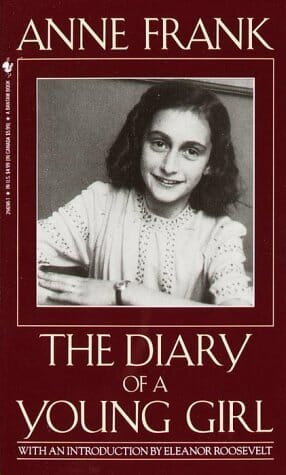
Perhaps no autobiography is more famous than The Diary of a Young Girl by Anne Frank. Her diary chronicles her profound thoughts, dreams, and fears as she hides with her family in the walls during the Holocaust.
Anne’s words resonate with the enduring spirit of hope amid unimaginable darkness.
The Autobiography of Ben Franklin by Benjamin Franklin (1909)
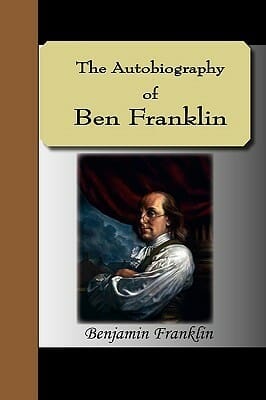
Benjamin Franklin’s autobiography follows Franklin’s life from humble origins to one of America’s greatest forefathers. While originally intended as a collection of anecdotes for his son, this autobiography has become one of the most famous works of American literature.
Long Walk to Freedom by Nelson Mandela (1994)
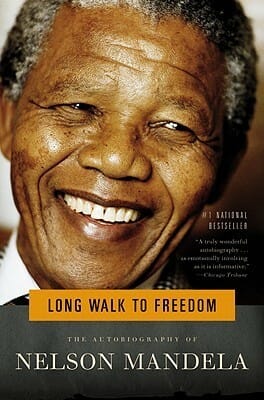
Long Walk to Freedom narrates Nelson Mandela’s epic odyssey from South African prisoner to revered statesman. This masterpiece of an autobiography is a portrait of resilience against the backdrop of apartheid – and his words are a bastion for courage and human rights.
Now you know what an autobiography is, and some examples of successful autobiographies, so it’s time to discuss what goes into actually writing one.
Who Should Write an Autobiography?
Celebrity autobiographies are popular for a reason – the people who wrote them were already popular.
The main purpose of an autobiography is to portray the life experiences and achievements of the author. If you haven’t made any massive achievements that people are already aware of, an autobiography might not be for you. Instead, you should learn how to write a memoir.
After all, what’s an autobiography worth if no one reads it?
If you have made an important contribution to society, or have amassed a massive following of fans, then writing an autobiography could be a fabulous idea.
An autobiography is what allows you to claim your rightful place in history. It provides a legacy for your life, helps you to better understand your life’s journey, and can even be deeply therapeutic to write.
You should write an autobiography if:
- You have a public platform or established following
- You’ve achieved something culturally, politically, or historically significant
- You want to leave a complete legacy document for family or future generations
- You’ve lived through a historically important period or event
You should write a memoir instead if:
- You want to teach a specific life lesson
- You want to focus on one chapter of your life (addiction, grief, career pivot, immigration, etc.)
- You don’t have a public platform yet but have a powerful story
- Theme matters more to you than chronology
But then comes the next problem: how to write an autobiography.
How to write an autobiography: 5 tips
The most effective way to write an autobiography is to treat it like a story, not a report. Know your audience, write with authenticity, research your own life, identify your themes, and edit ruthlessly.
1. Know your audience
Before you write a single page, decide who you’re writing for. Family and descendants? A public readership? Fans of your work? Each audience changes your tone, what you include, and how much context you provide.
2. Be candid and authentic
A life filtered through rose-colored glasses doesn’t move anyone. Include your failures, your bad decisions, and the moments you’d rather forget. That’s what makes readers trust you.
3. Do your research
You lived it, but you won’t remember the details. Pull out old photos, journals, letters, and emails. Interview family members and old friends. Verify dates and names. Consider adding photos directly into the book.
4. Identify key themes
Even an autobiography benefits from structural threads. What patterns show up across your life? What lessons recur? Identifying these helps the reader follow your arc and gives the book emotional weight. A strong book outline is where most of this work happens.
5. Edit and edit again
Nobody (and I mean nobody) writes a clean first draft. Write freely first, then edit aggressively. Get feedback from people you trust, then bring in a professional editor. Clarity beats cleverness every time.
If you want a more complete walkthrough of the writing process, see our guide on how to write a book.
Common mistakes to avoid
Most autobiographies fail for the same handful of reasons. Here’s what to watch for:
- Writing without an audience in mind. A book aimed at “everyone” connects with no one.
- Defaulting to diary-style recounting. Lists of events without reflection read like a resume.
- Sanitizing your own story. Removing the hard parts removes the reason anyone would care.
- Ignoring structure. An autobiography still needs a narrative arc, not just a timeline.
- Skipping research. Memory lies. Cross-check dates, names, and sequences before publishing.
- Self-editing only. Every serious autobiography needs outside editorial eyes.
- Picking a weak title. Your title is 80% of whether someone picks up the book. Browse 50 autobiography titles for inspiration.
Frequently asked questions
What is an autobiography in simple terms?
An autobiography is a book you write about your own life, usually covering your story from birth to the present in chronological order. The key traits: you are both the author and the subject, and the scope covers your full life rather than a single theme.
What is the difference between an autobiography and a memoir?
An autobiography covers your entire life in chronological order. A memoir focuses on a single theme, period, or experience and doesn’t need to be chronological. Both are written in first person by the subject.
Can you write an autobiography if you’re not famous?
Yes, but it’s usually a harder sell commercially. If you don’t have a public platform, a memoir is often a better format because readers connect with it through theme rather than name recognition. That said, family autobiographies written purely for legacy are completely valid.
How long is a typical autobiography?
Most published autobiographies run between 60,000 and 100,000 words, or roughly 250 to 400 pages. Shorter works in the 40,000-word range are also common, especially for niche or family audiences.
Is an autobiography fiction or nonfiction?
Autobiographies are classified as nonfiction, but they’re inherently shaped by the author’s perspective and memory. There’s also a separate category called autobiographical fiction, which blends real life with invented elements.
What should the first chapter of an autobiography include?
Most autobiographies open with either a defining early memory, a key formative event, or a present-day moment that frames the story you’re about to tell. The goal is to hook the reader immediately, not to start with a dry family tree.
Do I need permission to write about other people in my autobiography?
For most private matters, yes, or at least legal awareness. Writing truthfully about living people can raise defamation and privacy concerns depending on what you say. Consult a publishing attorney before releasing anything that names real people in sensitive contexts.
Ready to write yours?
Writing an autobiography is one of the most meaningful projects you can take on, and one of the hardest to finish alone. If you’ve got the life story but don’t know where to start, grab our free autobiography template to map it out.
If you’re ready to actually write and publish the book, schedule a free consult with our team and we’ll help you figure out the best path forward from writing to editing to self-publishing the finished book.
Whether you go the autobiography or memoir route, the hardest part is finishing. If you’re serious about turning your life story into a published book, our team has helped over 7,000 authors do exactly that, and we can help you, too.
The post What is an Autobiography? Definition, Elements, and Writing Tips appeared first on selfpublishing.com : The #1 Resource For Self-Publishing a Book.